Optimizing Your Website for the China Market: Key Steps for International Businesses
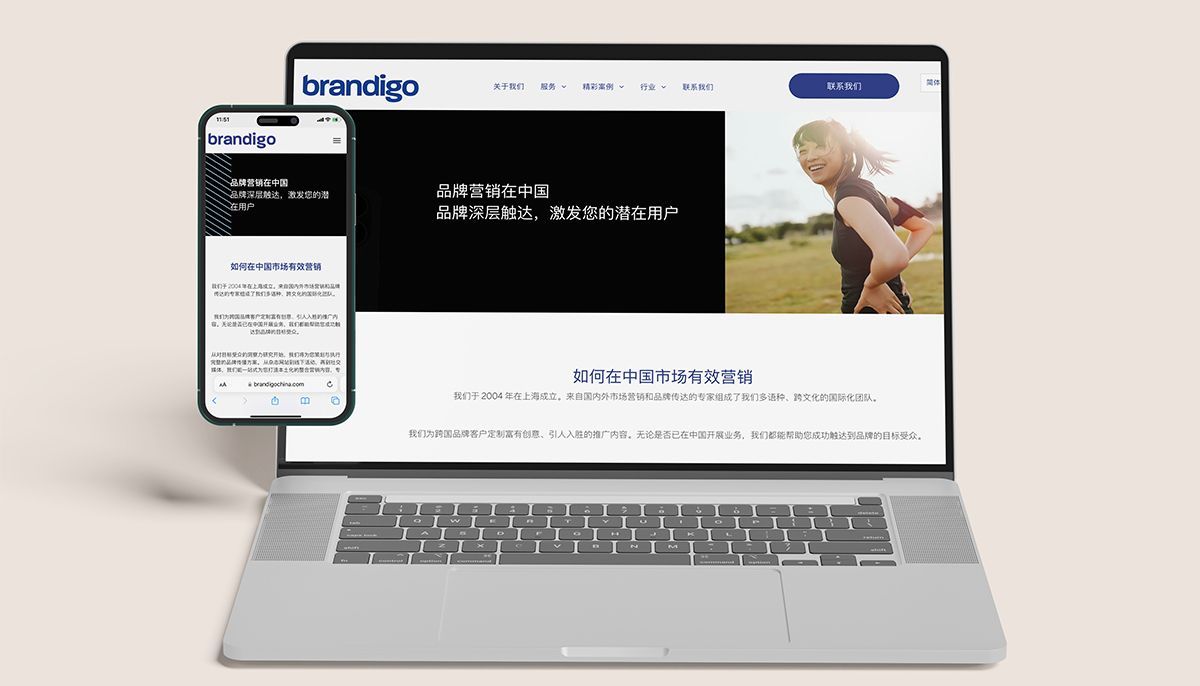
Expanding into China presents tremendous opportunities for international businesses, but navigating its unique digital landscape is essential for success. One of the most critical aspects of this is optimizing your website for the China market. Whether you're looking to enhance a section of your global site or build a dedicated China website, following these steps will help ensure your brand makes a strong digital impression.
1. Assess Your Website’s Accessibility in China
Before diving into optimization, it’s crucial to check whether your current website is even accessible in China. Due to government regulations and the “Great Firewall,” many websites that work perfectly elsewhere may experience slow load times or be blocked entirely in China. Use tools to monitor how your site performs there, ensuring users can access content quickly and easily.
2. Consider ICP Licensing
If your goal is to fully localize your digital presence in China, applying for an ICP (Internet Content Provider) license is essential. This government-issued license allows you to legally host your website on servers within China. Businesses without an ICP license often rely on hosting in nearby regions like Hong Kong or Singapore, but a locally hosted site offers much faster loading times and better search engine performance.
3. Optimize for Chinese Search Engines
Google doesn’t operate in China, meaning your global SEO strategy won’t work in this market. Instead, focus on optimizing your content for Baidu, China’s leading search engine, and others like Sogou and 360 Search. Consider the following steps:
- Keywords: Research local keywords to understand what your Chinese audience is searching for, ensuring they are culturally relevant.
- Meta Tags & Descriptions: Tailor these to local keywords and Baidu’s algorithms.
- Mobile-First Design: Since mobile search dominates in China, ensure your website is mobile-friendly and adheres to Baidu's mobile SEO standards.
4. Language and Localization
While your global website may offer language options, Chinese visitors expect content that speaks directly to them in **Simplified Chinese**. Beyond translation, this means localizing content to reflect cultural preferences and consumer behavior. For example, adjust product descriptions, images, and even color schemes to suit Chinese tastes. Localization also involves aligning messaging with local holidays, events, and trends.
5. Leverage Local Hosting & CDNs
Hosting your website on servers within China, or at least in nearby regions, dramatically improves website performance. Additionally, using a **Content Delivery Network (CDN)** that includes China-based nodes can further enhance load speeds and the overall user experience. Slow websites are one of the top reasons users abandon pages in China, and fast load times can be a competitive advantage.
6. Adapt to Chinese UX Preferences
Website design preferences differ between Western and Chinese users. To succeed, adapt your design to meet local expectations:
- Busy Homepage Layouts: Chinese websites tend to feature denser content on their homepages, often incorporating promotions, news, and social media links.
- Interactive Elements: Features such as QR codes and integration with WeChat, the country's dominant social media platform, enhance user engagement.
- Trust Signals: Ensure that your website displays trust markers, such as customer reviews, official certifications, and prominent contact details (especially phone numbers and WeChat QR codes).
7. WeChat Integration
No discussion of China’s digital landscape would be complete without mentioning WeChat, the super app used for everything from messaging to payments. Integrating your website with WeChat through QR codes, direct links to your official WeChat account, or even building a WeChat Mini Program can help you connect with your audience where they spend the most time.
8. Dedicated China Website vs. China Section
When considering whether to create a dedicated China website or optimize a section of your global site, think about your long-term goals:
Dedicated China Website: This is ideal for businesses with significant operations in China, as it allows for full localization, better SEO, and faster website performance with local hosting.
China Section on Global Website: If you are just starting or have limited operations in China, this may be a more cost-effective approach. A localized Chinese-language section, with culturally relevant content and WeChat integration, can still provide a good user experience while minimizing upfront investment.
9. Comply with Local Regulations
Beyond ICP licensing, it’s important to comply with China’s data privacy and cybersecurity laws. Familiarize yourself with the Personal Information Protection Law (PIPL) and Cybersecurity Law to ensure your website's data collection and usage practices meet local legal requirements.
10. Regular Performance Monitoring
Once your website is live, regularly monitor its performance and user engagement. Tools like Baidu Analytics and WeChat analytics can provide insights into traffic, user behavior, and how effectively your website meets the needs of the Chinese market. Regular updates, performance testing, and SEO adjustments are essential to maintaining a competitive edge.
Final Thoughts
Optimizing your website for the China market requires more than translation—it involves an understanding of local regulations, search engines, hosting solutions, and consumer behavior. Whether you're adjusting a section of your global site or developing a dedicated China website, these steps will help you create a digital presence that resonates with Chinese audiences and aligns with your global business objectives.