Using Live Streams in China B2B Marketing


And we are live in 3…2….1…..


The Live stream is now mainstream. Once considered the preserve of gamers, sports events and pop stars, lives streaming is now throwing up a whole range of possibilities for B2B marketing. And as ever, digital China is leading the charge.

As most Chinese internet users skipped the desktop and went straight to mobile internet, China has a habit of early adoption for all things online and in particular, mobile-based e-commerce and entertainment platforms. Spend any time at all on public transport in China and you will see for yourself as your fellow passengers spend the duration of their journey shopping, watching sports or catching up with news and soap operas on their mobile devices. Now, as channels like Twitch as well as more famous names like Facebook with Facebook Live and Twitter with its Periscope app, gain momentum alongside the Chinese players like inke and kuaishou, the West is catching up with the East in how it consumes its media and spends its time online.
Tuning in to the latest live stream is a big part of this. According to the ‘big 4’ advisory company, Deloitte, live broadcasts will have generated $545 billion in direct revenue  in 2018, with revenue from live streaming making a significant contribution. The same report also suggests that China, where membership of streaming sites has “soared”, and where audiences are already comfortable paying to view video content, will remain the largest market for live streaming with viewers reaching 456 million. Forecasts for the US market paint a similar picture with revenues from live streaming subscriptions expected to have doubled during the period 2013 to 2020. While this doesn’t necessarily mean consumers will pay for B2B live stream content, it does mean that live streaming as a channel is increasingly relevant for B2B marketers around the world and that B2B audiences are increasingly willing to take part.


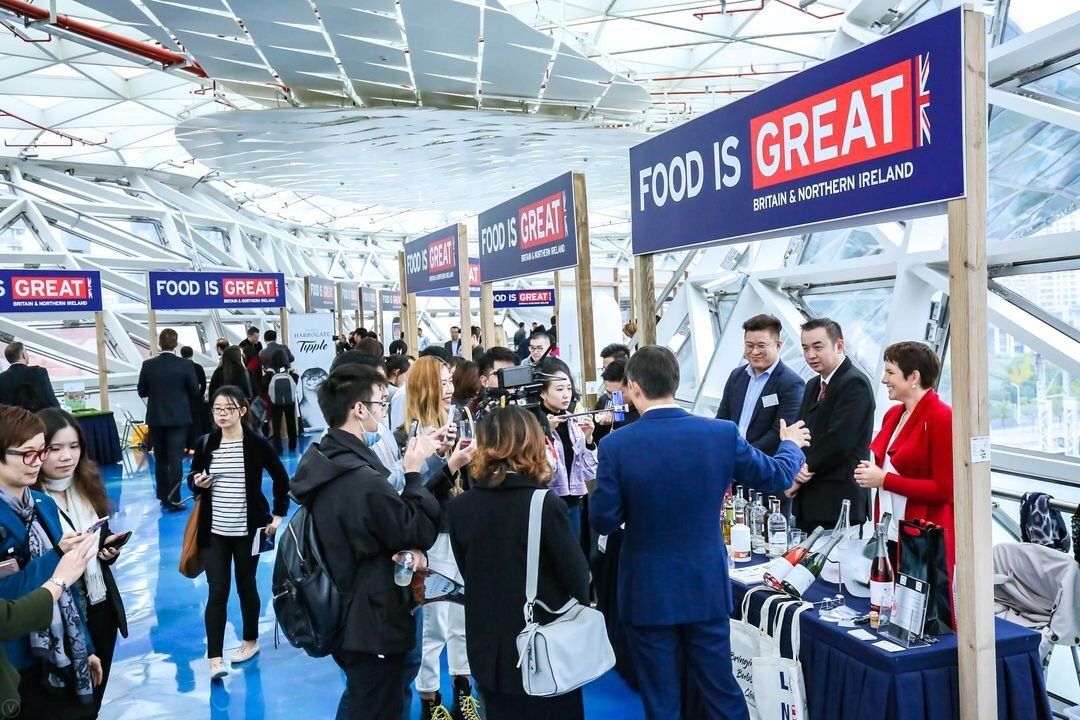
The Brandigo team has been advocating the value of live streaming to B2B marketers for some time and you can see the results it can generate very quickly. For example, we are currently supporting the Food is GREAT campaign  being rolled out across China by the UK Government, and this B2B campaign has already made smart use of live streaming  to raise awareness of the campaign and push its key messages to a wider audience beyond the activities taking place in Shanghai and Beijing. This video features highlights from a live stream broadcast at a major trade show held in Shanghai in November, and we estimate that an audience of 5 million from across Mainland China and beyond tuned in to the live stream of the Food is GREAT showcase event for Chinese F&B professionals that our very own China President, Mike Golden, took part in as a member of the expert panel .


For B2B marketers the challenge is to view live streaming as a part of the marketing toolkit that you can reach for on a regular basis, not just for product unveilings or virtual tours of your latest exhibition stand. Here are a few suggestions to think about:


  • Regularly hosting Q&A sessions with your customers, or webinars that add value to your products or services can be an effective way of using live streaming to regularly engage with your customers. These can focus on training customers to get the most from your products and services.
  • Interactive interviews with your company’s experts and opinion leaders, presenting your latest piece of killer research or market insight.
  • Even just giving customers and stakeholders a ‘peep behind the curtain’ with a tour behind the scenes at your office can bring you closer to your target audiences and drive traffic to your website and social media.

With all the channels available to B2B marketing professionals, in China and the rest of the world, live streaming is something to be embraced. We would love to hear about your experience with live streaming so please leave us a comment, and get in touch to talk about how live streaming can give your B2B marketing a boost.


Seated professional in a dark blazer and white shirt against a gray studio backdrop
By Steven Proud • October 12, 2026
Chris Pereira joins The Radical Global Marketing Podcast to explore how trust, localization and branding are shaping the next era of Chinese global expansion.
Smiling man in a colorful plaid shirt on a white background
By Steven Proud • September 7, 2026
In this episode... Steven and Casey discuss: Why genuine connection can be more powerful than transactional B2B marketing How podcasts can build brand, create demand and strengthen customer relationships Why marketing technology and automation should never replace understanding your customer How AI is increasing content noise – and making human connection even more valuable Why global marketers need to keep challenging what they think they know about their customers Do you really know your customer? Technology gives marketers more opportunities than ever to automate, measure and optimise what they do. Casey experienced that transformation first-hand through marketing automation, gaining the ability to demonstrate how marketing activity contributed to leads, customers and revenue. But more technology doesn't automatically mean better marketing. Casey found that many companies were using only a fraction of the capabilities of the technology they had purchased. Worse, marketers could become so focused on platforms, features and automation that they lost sight of the person they were actually trying to reach. The same problem applies to content. Whether a 17-page report has been painstakingly written by an expensive expert or generated in seconds using AI, the fundamental question remains the same: What question does this answer for your buyer? From go to market to connect to market This becomes particularly important for global marketers. Pain and intent may be universal, but the people experiencing them – and the way they choose to solve their problems – can be very different across markets, cultures and generations. A buyer persona created ten years ago may bear little resemblance to the person making the same purchasing decision today. And a persona developed for one market can't simply be assumed to work everywhere else. Casey's answer is deceptively simple: keep talking to people. For him, this is another reason podcasting has become such a powerful marketing tool. It creates a consistent reason for marketers and business leaders to have meaningful conversations with the people they want to understand. It also sits behind his latest concept, Connect to Market . Rather than simply taking a product to a market, Casey argues that businesses should think more deliberately about how they connect with the people within it – through podcasts, communities, partnerships and other human-first approaches. As AI makes it easier to create more content, more quickly, those genuine human connections may become more important rather than less. Because amid all the automation, algorithms and AI-generated noise, great marketing still begins with understanding another person. Resources mentioned in this episode: Casey Cheshire on LinkedIn Ringmaster Ringmaster on LinkedIn Marketing Automation Unleashed The Hard Corps Marketing Show Sponsor for this episode... This episode is brought to you by Brandigo China . We are an independent marketing and communications agency based in Shanghai, China with 20 years of on-the-ground experience in China. At Brandigo China , we work with multinational clients to support their marketing and business growth efforts in China. We are experts in insight strategy, content marketing, marketing-led business growth campaigns and all things China-based marketing. Go to Brandigo China to learn more and contact us with questions at [email protected] .
Man standing outdoors beside a wooden post, wearing a dark patterned shirt with a slight smile.
By Steven Proud • August 17, 2026
Marc Rust of Consequently Creative joins the Radical Global Marketing Podcast to explore brand-led growth, business transformation, creativity and AI.